
2026 Mid-Year Luxury Outlook Report
Style & Design

Des plages immaculées, des vallées verdoyantes, des terres agricoles fertiles ainsi qu’une scène gastronomique, culturelle et artistique de calibre mondial font de la Tasmanie l’incarnation des harmonies naturelles de la Terre.
Au large de l’Australie, séparée du continent par le détroit de Bass, se trouve l’État insulaire de Tasmanie, aussi connu sous le nom de Lutruwita, un nom donné par les Palawa, le peuple autochtone de la région. Colonisée par les Britanniques dans les années 1800 et autrefois utilisée comme colonie pénitentiaire, l’île a, au fil des dernières décennies, tracé sa propre voie vers l’équilibre et l’harmonie. Avec plus de 40 % de son territoire protégé à titre de parcs nationaux, réserves et sites classés au patrimoine mondial de l’UNESCO, des communautés agricoles dynamiques, une géographie spectaculaire et Hobart, sa capitale, qui rivalise avec les grandes capitales mondiales sur le plan de l’art et de la gastronomie, cette destination offre une expérience véritablement hors du commun.
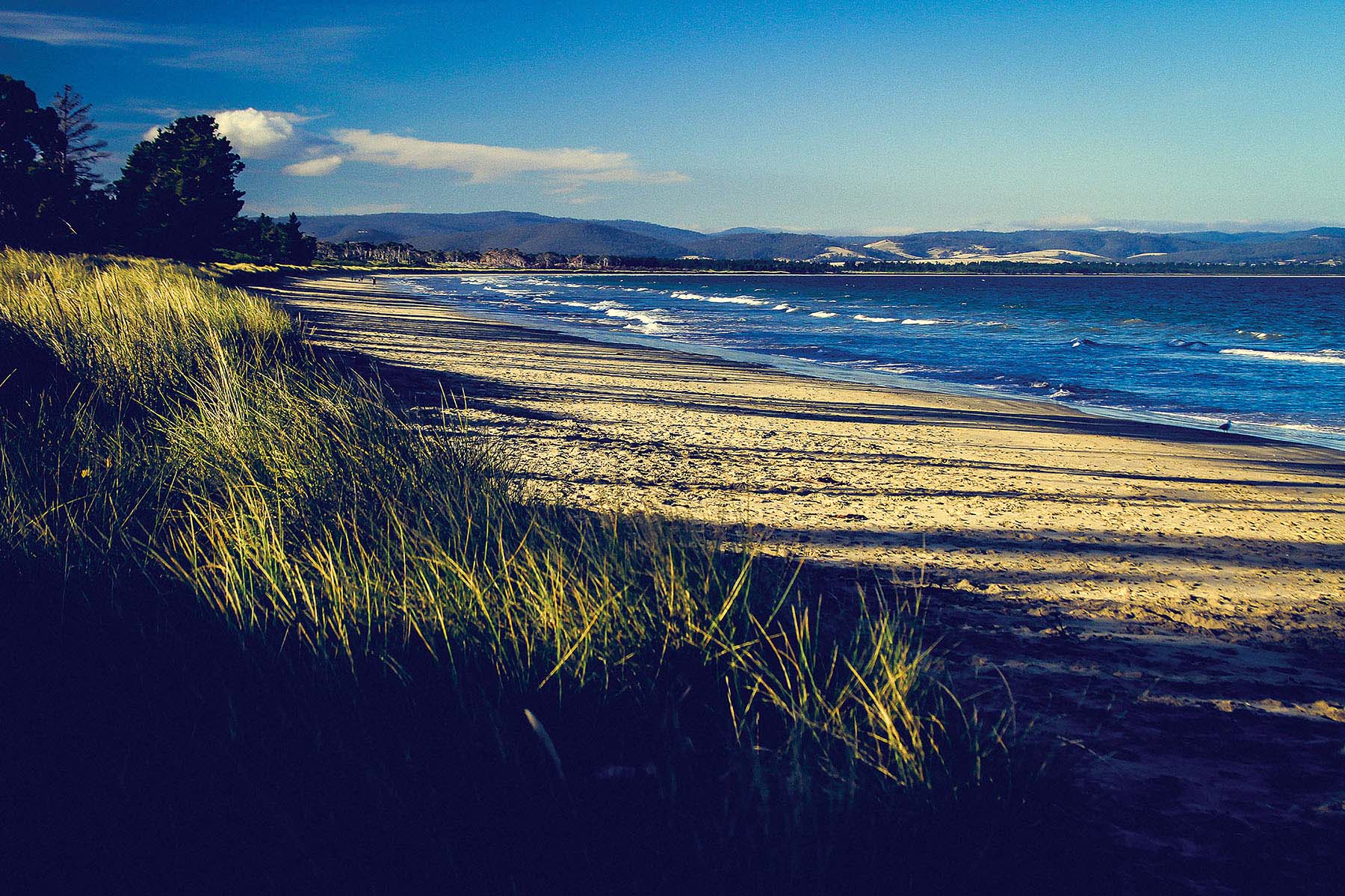
1. NINE MILE BEACH
Située le long de la côte est de la Tasmanie, près de Swansea, Nine Mile Beach est une plage paisible et vaste qui borde les eaux calmes de Great Oyster Bay. Réputée pour son long ruban de sable pâle et ses vues sur les sommets escarpés de la péninsule Freycinet, elle offre un cadre idéal pour marcher, nager et profiter du paysage côtier. Moins fréquentée que plusieurs plages plus connues de Tasmanie, Nine Mile Beach séduit par son impression d’espace et sa beauté naturelle, où dunes, oiseaux marins et vagues douces composent un décor apaisant. Faites un arrêt au Melshell Oyster Shack, une adresse décontractée en bord de mer où les fruits de mer sont à l’honneur. Reconnu pour ses huîtres locales fraîchement ouvertes, ce petit établissement propose les célèbres produits de la mer de l’île dans une ambiance simple et authentique.
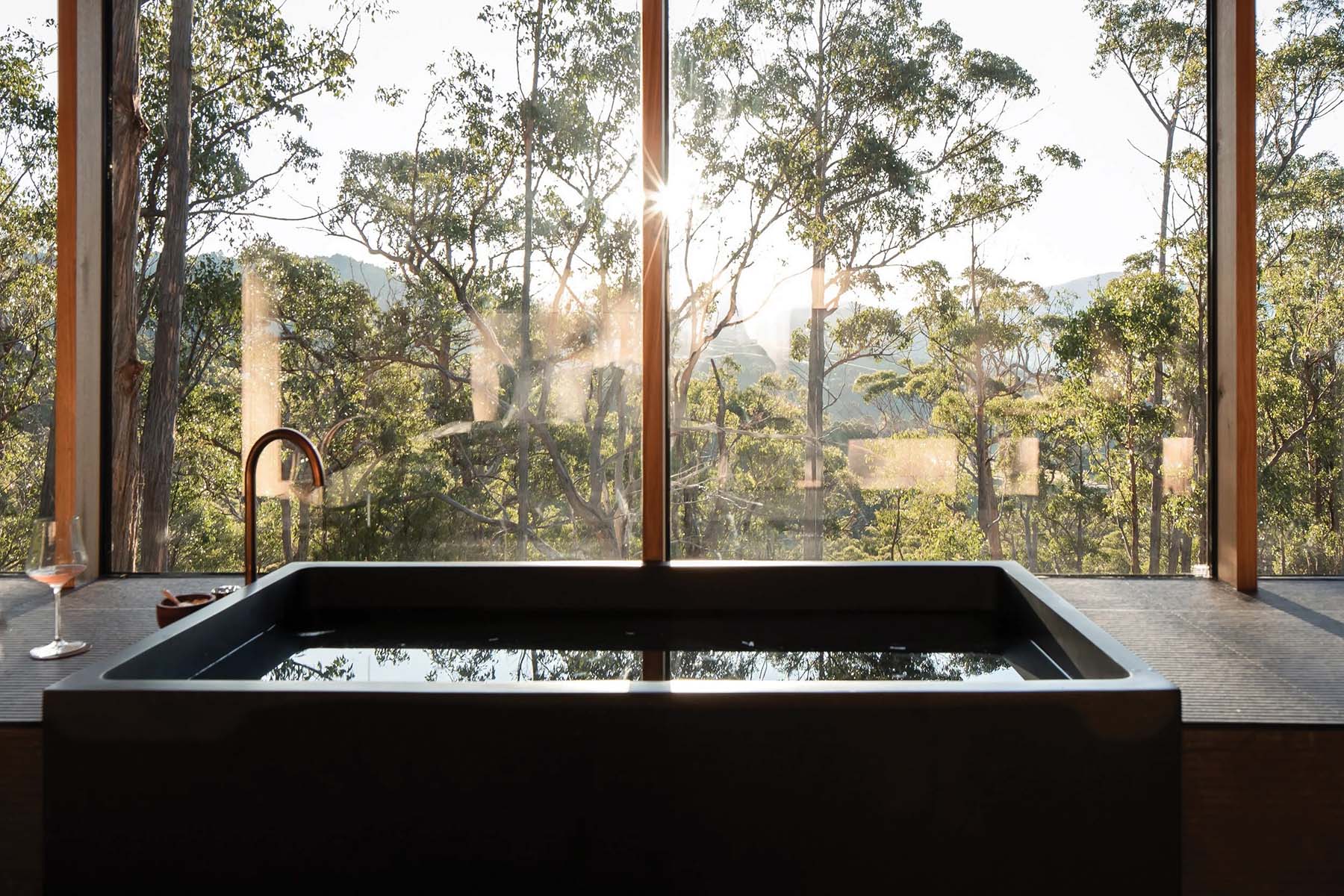
2. HUON VALLEY
Située au sud de Hobart, la vallée de Huon est l’une des régions les plus pittoresques de Tasmanie, reconnue pour ses terres agricoles fertiles, ses vergers et ses villages tranquilles au bord de l’eau. La vallée suit le cours sinueux de la rivière Huon à travers une campagne vallonnée ponctuée de pommeraies, de vignobles et de petites exploitations qui alimentent une grande partie de la réputation gastronomique de la Tasmanie. Des villes historiques comme Franklin et Cygnet offrent des marchés artisanaux, des traditions de construction navale en bois et un charme rural empreint de douceur. Les séjours à la ferme y sont nombreux, tout comme les retraites luxueuses et isolées, telles que Hunter Huon Valley, qui dévoilent des panoramas saisissants sur cette vallée généreuse.
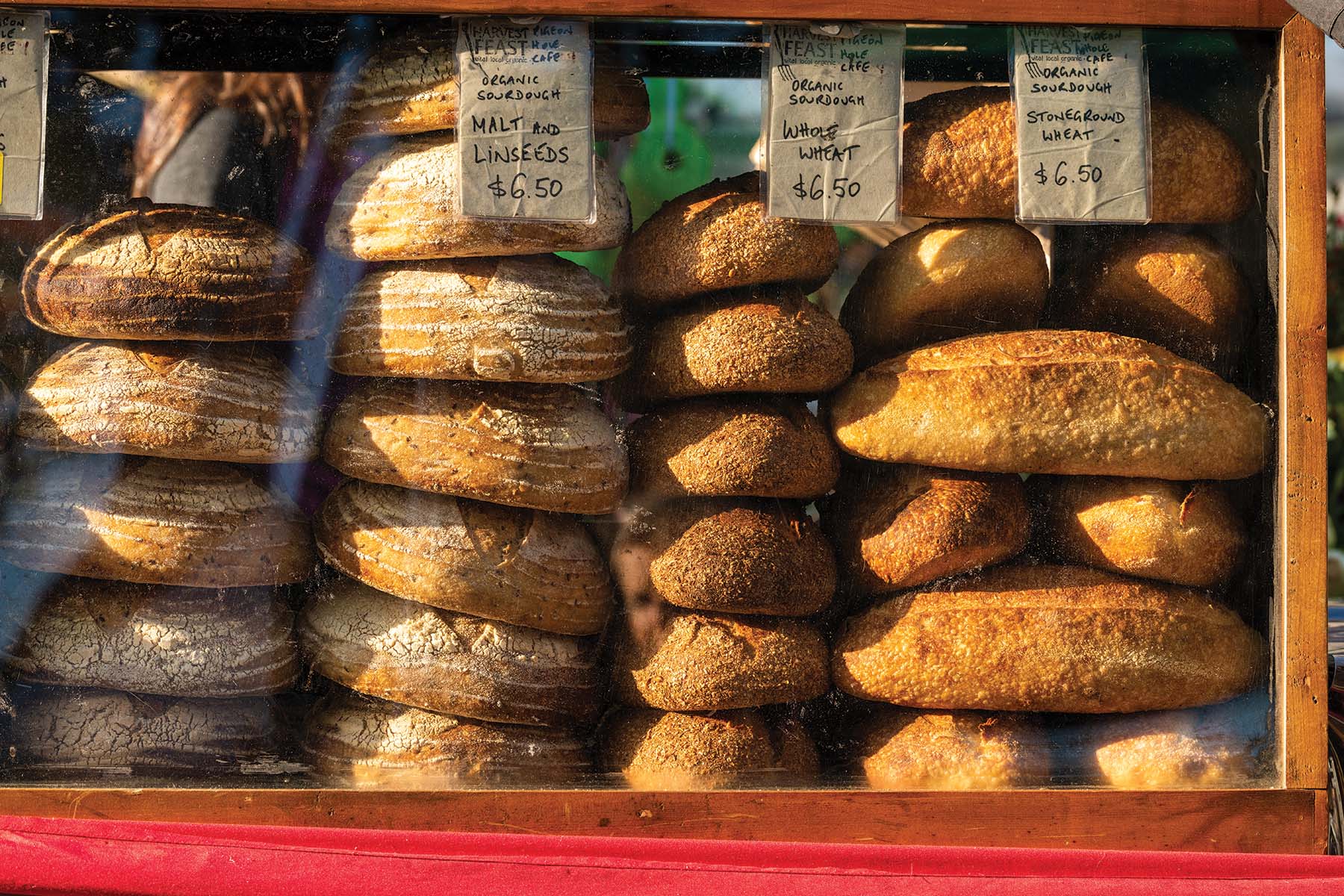
3. SALAMANCA MARKET
Chaque samedi, le marché de Salamanca Place compte parmi les attractions les plus vivantes et appréciées de Hobart. Installé dans un décor d’entrepôts en grès du XIXe siècle, ce marché extérieur réunit plus de 300 kiosques proposant produits de Tasmanie, artisanat, créations culinaires et œuvres d’art locales. Les visiteurs peuvent y déguster pâtisseries fraîches, fruits de mer, fromages, miel et cidre locaux tout en découvrant bijoux, textiles et objets en bois conçus par des artisans de l’île. Coloré, animé et profondément local, le marché reflète la culture créative de la ville et son attachement aux traditions culinaires et artisanales régionales.
4. MUSEUM OF OLD AND NEW ART
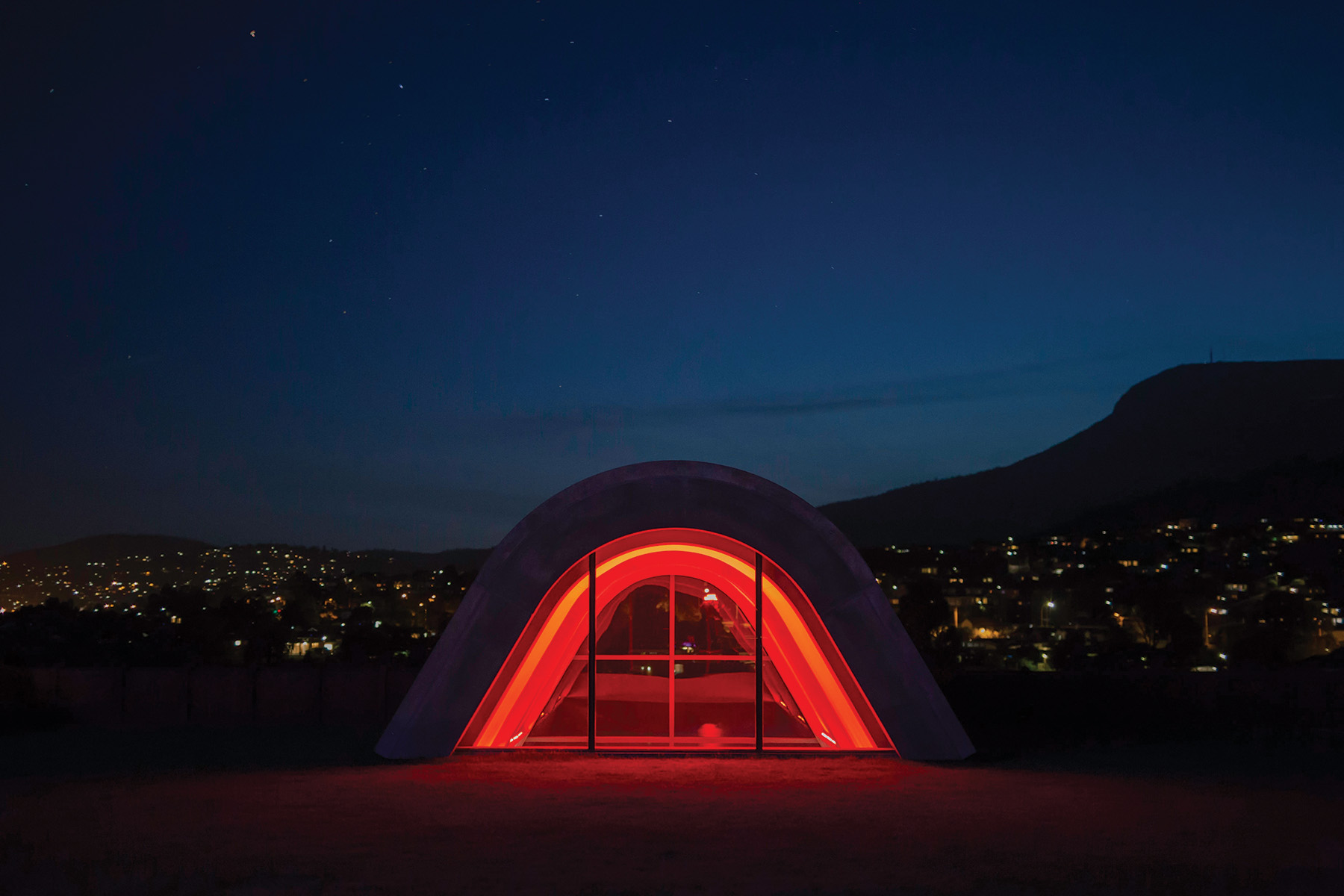
Embarquez à bord d’un traversier aux allures fantastiques depuis Hobart vers le MONA et laissez-vous transporter dans un univers artistique singulier. Fondé par le mathématicien et joueur professionnel David Walsh et inauguré en 2011, ce musée privé abrite une collection éclectique qui traverse les époques, des antiquités aux œuvres contemporaines provocantes. Construit en grande partie sous terre sur la péninsule de Berriedale, le MONA mise sur une expérience immersive volontairement déstabilisante, explorant des thèmes comme la vie, la mort et la nature humaine. Souvent décrit comme un « Disneyland subversif pour adultes », il est devenu une destination culturelle majeure et a contribué à faire de Hobart une référence artistique mondiale.
Cet article a été publié initialement dans Insight The Art of Living: The Harmony Issue, rédigé par Tara Franco.